
Gentle walking with greens and seated bends shows how exercise for lower back pain for seniors works. Chair yoga with hydration and hip bridges fueled by protein snacks builds steady spinal comfort.
According to Advanced Autism Services, around 44% of people with chronic low back pain have endured symptoms for five years or longer. Pain often intensifies as people age, reducing the ease of movement and daily comfort levels. As a senior, ongoing discomfort decreases quality of life and limits daily tasks.
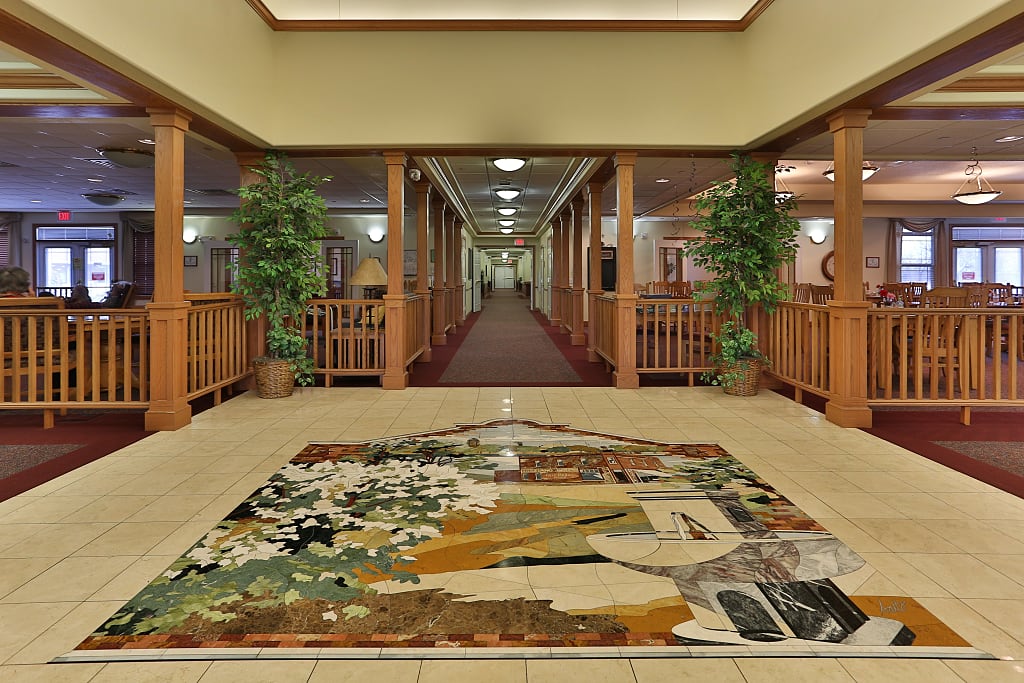
Moving to Addington Place of Des Moines empowers you to regain strength, balance, and confidence. Located in Des Moines, IA, our community offers senior living with warm, family-focused care.
Your days are enriched by friendly assistance and shared experiences. Spacious apartments feature kitchenettes, ample storage, and bright windows welcoming Iowa sunshine.
What Causes Lower Back Pain in the Elderly?
Lower back pain develops from muscle weakness, joint wear, and reduced spinal cushioning as one ages. Poor posture and long sitting periods strain soft tissues and supporting ligaments.
Ongoing discomfort often complicates pain management in aging and limits safe body control. Lack of regular movement further weakens core stability and spinal balance support.
Is Back Pain a Normal Part of Aging?
Some discomfort may appear with age; however, severe pain should not be considered acceptable or permanent. Joint stiffness and slow circulation reduce natural shock absorption during simple movements. Healthy habits and guided support restore strength and posture.
Exercise for Lower Back Pain for Seniors Supported by Nutrition
Exercise and balanced eating offer natural control for discomfort, reducing reliance on strong medications. Smart choices encourage healing, improve posture, and enhance daily comfort and stability.
At Addington Place of Des Moines, you can enjoy senior-friendly programs designed around safe, guided movement. Group and supervised workouts improve posture, flexibility, and steady muscle coordination for safer steps.
Gentle Walking Alongside Leafy Greens for Spine Health
Slow walking strengthens leg muscles and supports steady posture for safer daily motion. Fresh leafy greens provide nutrients supporting back pain relief and smoother joint movement.
Light outdoor or indoor walks help with:
- Improved balance
- Better posture
- Muscle strength
- Joint comfort
- Energy levels
- Spinal support
Regular walking increases circulation and strengthens the lower spine. Consistent practice keeps muscles engaged and reduces stiffness from long sitting periods.
Chair Yoga Paired With Proper Hydration for Joints
Chair yoga improves posture control and strengthens muscles without putting heavy pressure on joints. Proper hydration keeps tissues flexible and supports smoother joint function throughout sessions. Guided poses build senior flexibility support through steady breathing and aligned posture control.
Soft movements release tension in tight areas and encourage balanced spinal engagement. Regular practice builds comfort and confidence during steady daily motion.
Seated Side Bends Enhanced With Calcium-Rich Foods
Seated side bends loosen tight muscles and enhance senior flexibility, supporting daily comfort. Calcium-rich foods strengthen bones and protect the spine during steady stretching routines.
Examples include:
- Low-fat milk
- Plain yogurt
- Cheddar cheese
- Sardines
- Spinach
- Almonds
Gentle chair bends enhance control and alleviate sudden pressure on sensitive joints. Slow movements guard the spine and ease lingering tension near the lower back. Short daily sessions maintain range and improve safer balance and posture alignment.
Hip Bridges Fueled by Protein-Packed Snacks
Hip bridges strengthen the core, supporting movement and recovery for weaker muscles. Protein-packed snacks fuel muscle repair and provide energy for steady strength rebuilding. Controlled lifting engages the lower back safely, improving stability and reducing strain.
Regular practice enhances confidence and makes standing, walking, and daily tasks easier. Slow, steady breathing maintains rhythm and prevents rushed tension in muscles. Adding gentle repetitions over time improves:
- Coordination
- Balance
- Overall back comfort
- Core strength
- Posture stability
Consistent practice solidifies these benefits, making daily activities easier. Over time, your lower back feels stronger and more supported, helping you move with confidence and ease.
Knee-to-Chest Stretch Complemented by Magnesium-Rich Foods
Knee-to-chest stretches relax the spine and release tight lower back areas, supporting pain management in aging. Magnesium-rich foods help calm muscles and reduce cramping or tension during stretching. Gentle holding improves comfort and encourages smoother hip alignment and control.
Slow, careful transitions prevent strain and promote relaxed muscle engagement. Practicing these stretches consistently enhances stability and supports controlled lower back movement. Over time, regular stretching paired with proper nutrition can:
- Improve flexibility
- Ease stiffness
- Make daily activities more comfortable and manageable
Frequently Asked Questions (FAQs)
Which Anti-Inflammatory Foods Help Reduce Chronic Lower Back Pain?
Certain foods help calm inflammation and support back pain relief naturally. Fatty fish like salmon, sardines, and mackerel provide omega-3s that reduce joint swelling.
Leafy greens, such as spinach and kale, offer antioxidants that protect tissues. Berries, nuts, and olive oil help prevent flare-ups. Spices like turmeric and ginger also support lower back comfort.
Are Mobility Aids Available for Seniors With Chronic Back Pain?
Assisted living communities provide mobility aids to support safety and independence. Canes, walkers, and handrails help reduce strain on the lower back. Shower chairs and raised toilet seats minimize bending and pressure.
Wheelchairs or transport scooters assist with longer distances. Staff ensure proper use to prevent falls.
How Do Staff Help Seniors Manage Pain During Daily Activities?
Staff guide seniors through safe movements to prevent strain. They assist with transferring, bathing, and dressing when needed. Gentle exercise routines are supervised to strengthen muscles supporting the lower back.
Staff also provide reminders for stretching and hydration throughout the day. Education on posture and body mechanics helps reduce discomfort. Their support ensures seniors can participate in activities with less pain.
Exercise and Diet for Lower Back Pain in Seniors: Effective Strategies
Exercise for lower back pain for seniors combines gentle movement with proper nutrition to ease discomfort. Consistent stretching, strength exercises, and anti-inflammatory foods support mobility and improve daily function.
At Addington Place of Des Moines, we create a senior-friendly environment where exercise for lower back pain for seniors is guided and safe. We offer thoughtfully designed apartments, chef-prepared meals, and engaging daily activities. Our team supports independence while assisting when needed.
Our executive director, Heather Johnson, brings over a decade of senior living experience and a deep commitment to care. Contact us today to schedule a tour and see how we can support your wellness, independence, and daily comfort.